
Stop the Leak, Save the Margin: The Guide to Waterproofing Shower Enclosures
Water damage callbacks are the silent profit-killers of commercial bathroom projects. A leaking shower enclosure does not just damage drywall; it damages your brand reputation. Here is how leading contractors and hardware distributors eliminate leakage across various enclosure types before the first drop falls.
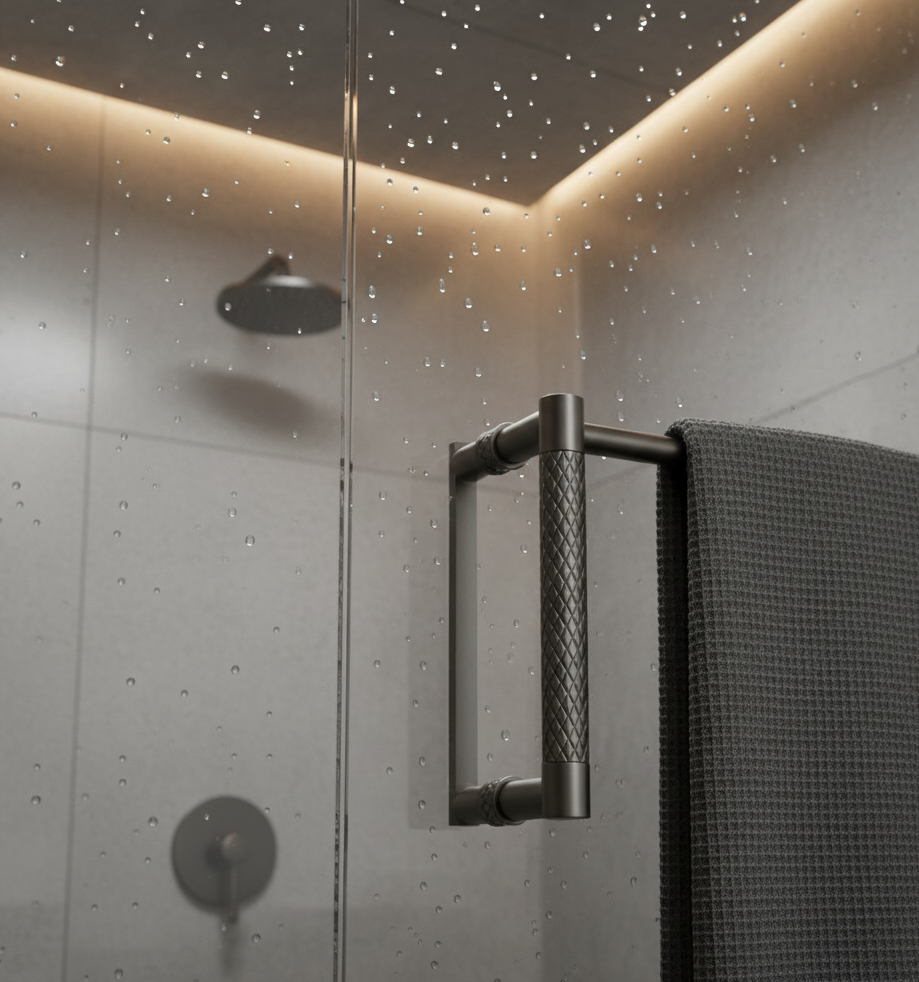
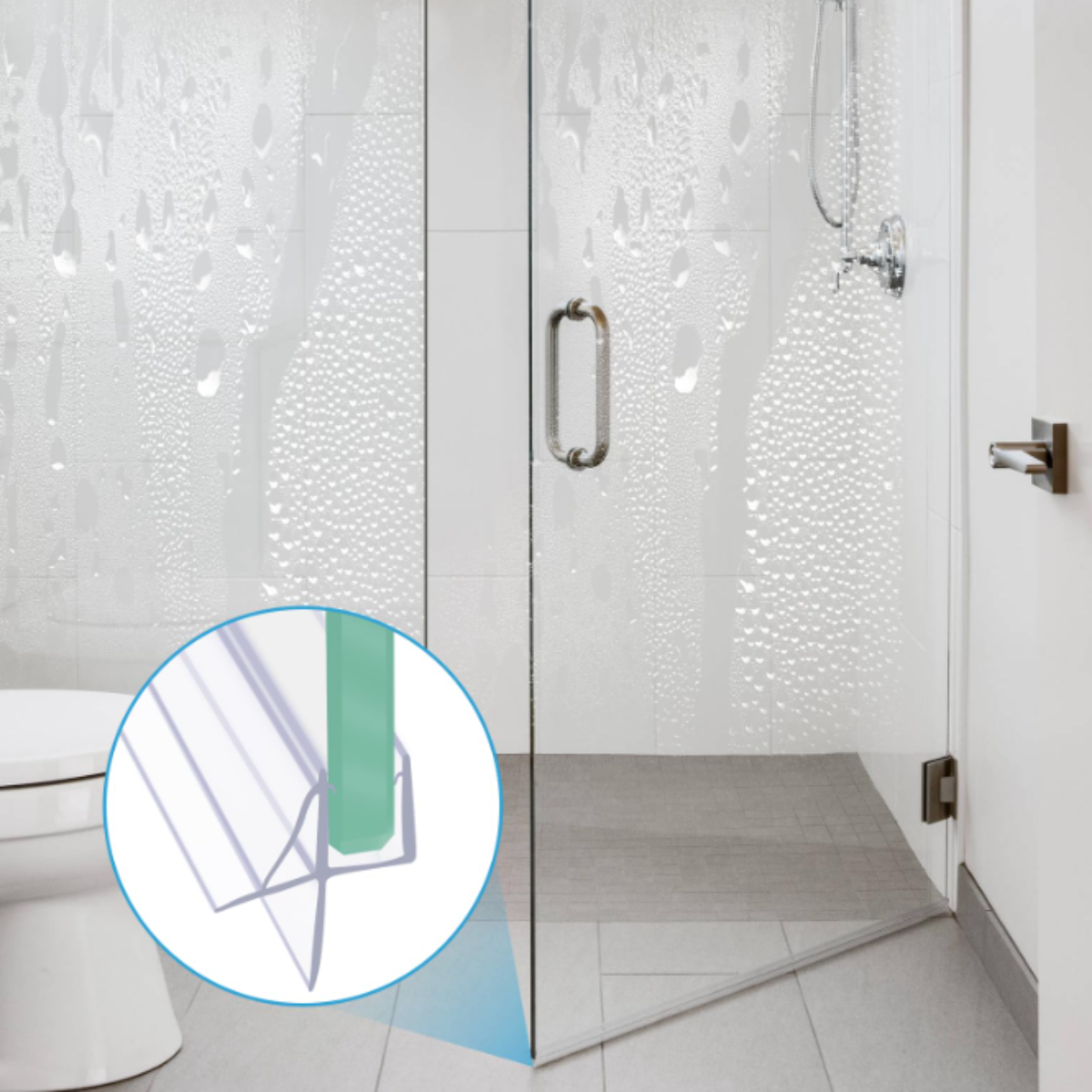
The Frameless Dilemma: Precision Meets Polycarbonate Seals, Not Just Silicone hacks. Frameless enclosures offer premium aesthetics but carry the highest leakage risk due to the lack of metal barriers. The solution lies in engineering precision. Ensure your hardware kits include high-grade polycarbonate bottom sweeps with integrated drip rails that actively deflect water back into the pan. Side gaps require perfectly measured clear bulb seals, and hinges should feature built-in gaskets. Precision cutting of the glass to maintain a gap no larger than 3/16 inch is crucial for these seals to perform under heavy commercial use. Relying on silicone alone is a temporary band-aid; architectural-grade seals are the permanent fix.
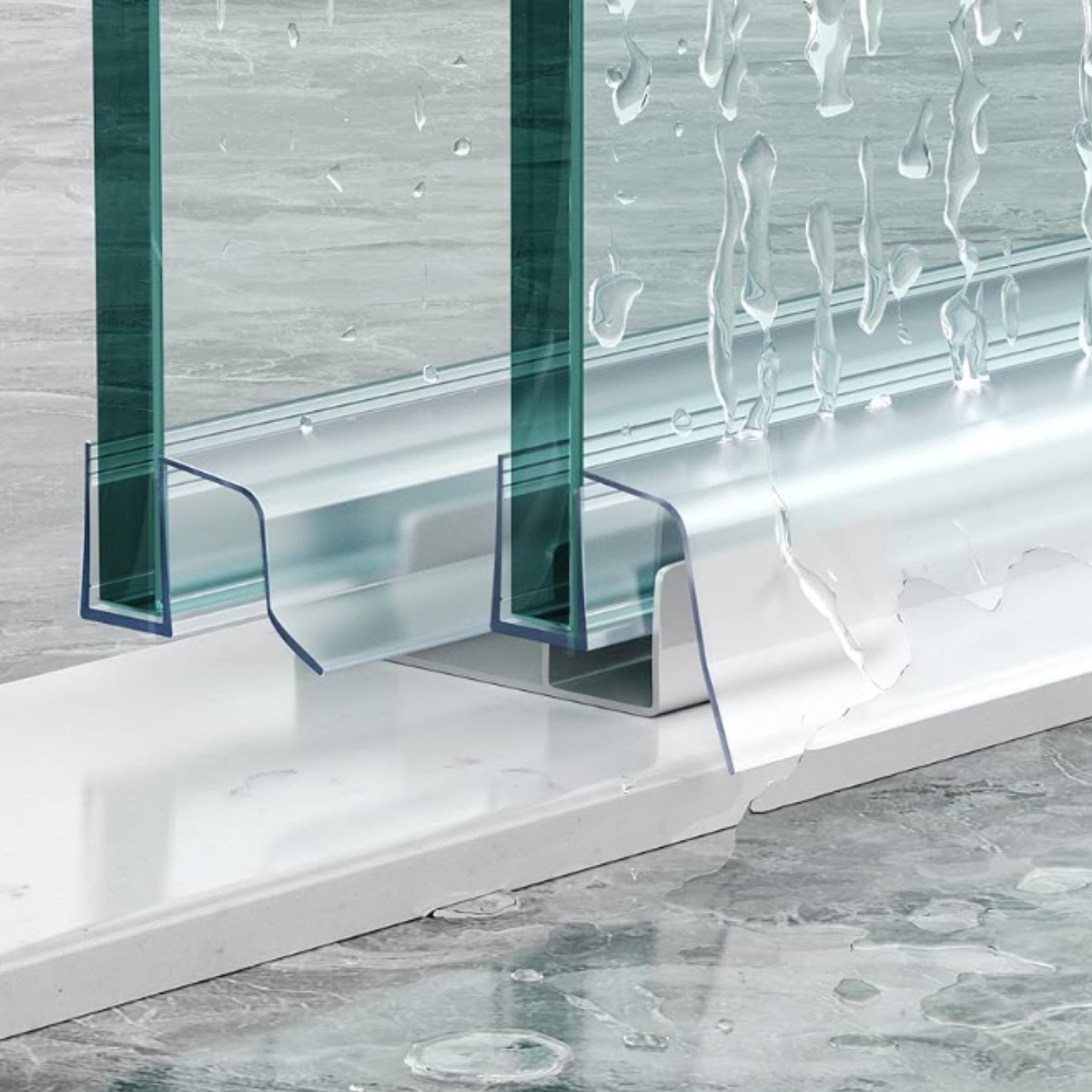
Sliding Door Systems: Overcoming the Track Trap with Overlap Ratios. Sliding bypass and barn-style shower doors often fail at the bottom track or the center overlap. To mitigate this risk, B2B specifiers must ensure a minimum glass overlap of 1.5 to 2 inches to prevent angled water sprays from escaping the wet zone. At the base, opt for anti-splash threshold profiles instead of flat tracks. Advanced aluminum sliding systems now incorporate subtle inward-sloping guides that naturally route water back into the basin via gravity, drastically reducing the reliance on caulking and minimizing maintenance for hospitality clients.
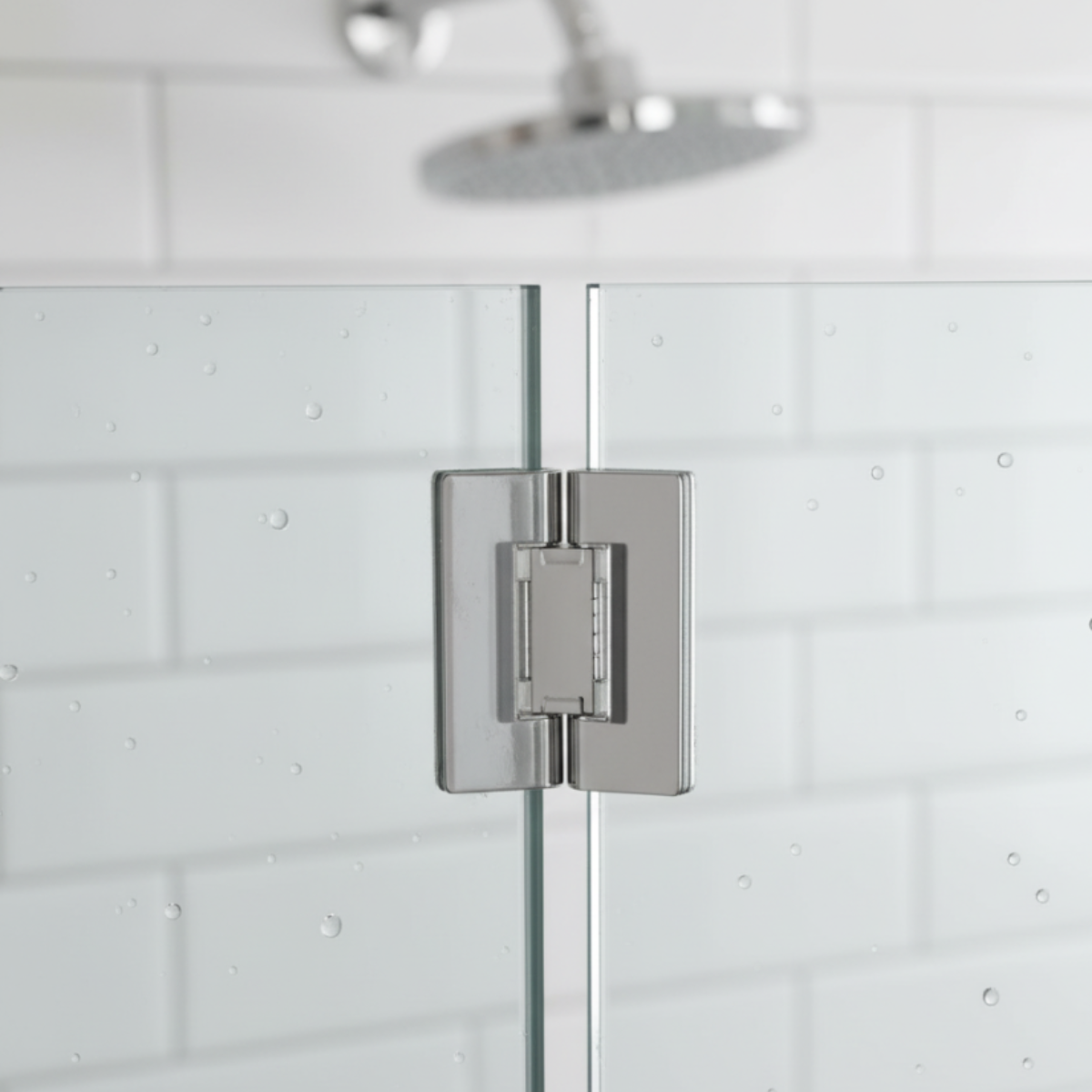
Pivot and Hinged Doors: The Magnetic Sweep and Seal Strategy. For pivot and hinged doors, the strike edge is the primary vulnerability. Standard vinyl seals degrade quickly in high-traffic hotel environments, leading to inevitable leaks. Upgrading to magnetic profile seals ensures a snap-tight closure that withstands aggressive shower pressures and user error. Additionally, incorporating an aluminum water containment threshold directly below the door provides a secondary physical barrier. This works in tandem with the bottom sweep, creating a redundant failsafe against pooling water that threatens to breach the shower curb.
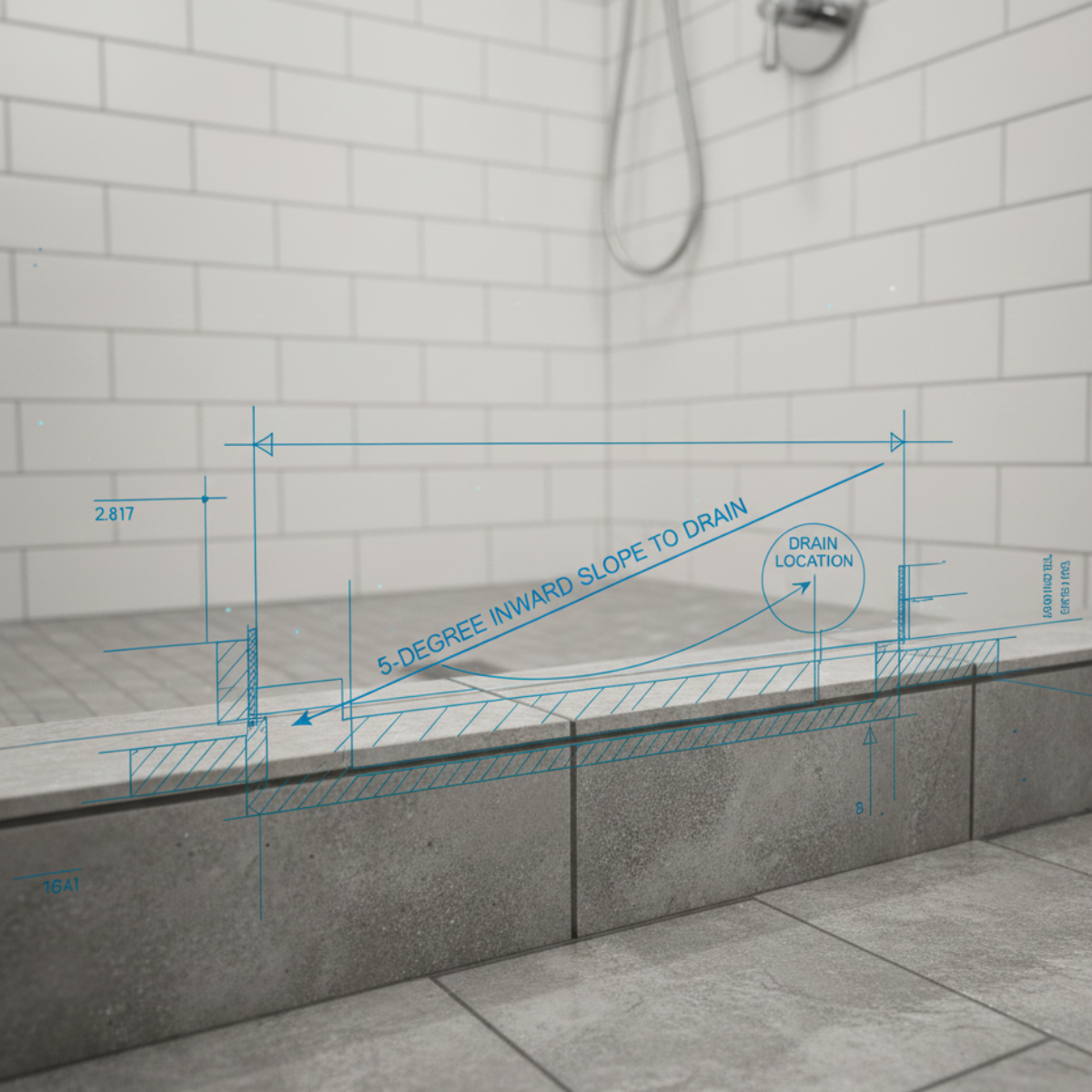
The Pre-Installation Imperative: Substrate Slopes and Pitching. The most robust bathroom hardware in the world cannot compensate for poor architectural preparation. Before installing any enclosure system, project managers must verify the substrate slope. Curbs must pitch inward toward the drain at a minimum 5-degree angle. By addressing the slope during the tiling phase and pairing it with intelligently designed aluminum U-channels, contractors can virtually eliminate the risk of standing water breaching the exterior drywall, safeguarding the project's profitability and timeline.
Inspiration
Proactive specification of the right seals, tracks, and thresholds for specific glass shower types eliminates margin-killing water damage callbacks.
Are water leaks eating into your installation margins? Share your biggest shower hardware challenge in the comments below, or message us to discuss bulk-ordering leak-proof aluminum shower systems.
##BathroomHardware ##ConstructionManagement ##GlassEnclosures ##B2BLogistics ##Architecture