
Bathtub Packaging Economics
The cheapest packaging is not necessarily the lowest-cost delivery. The densest loading method is not automatically the safest route.
Bathtub packaging decisions affect container quantity, pack materials, unloading labour, warehouse space, product damage, resale presentation and claim evidence. Compare the complete distribution model.
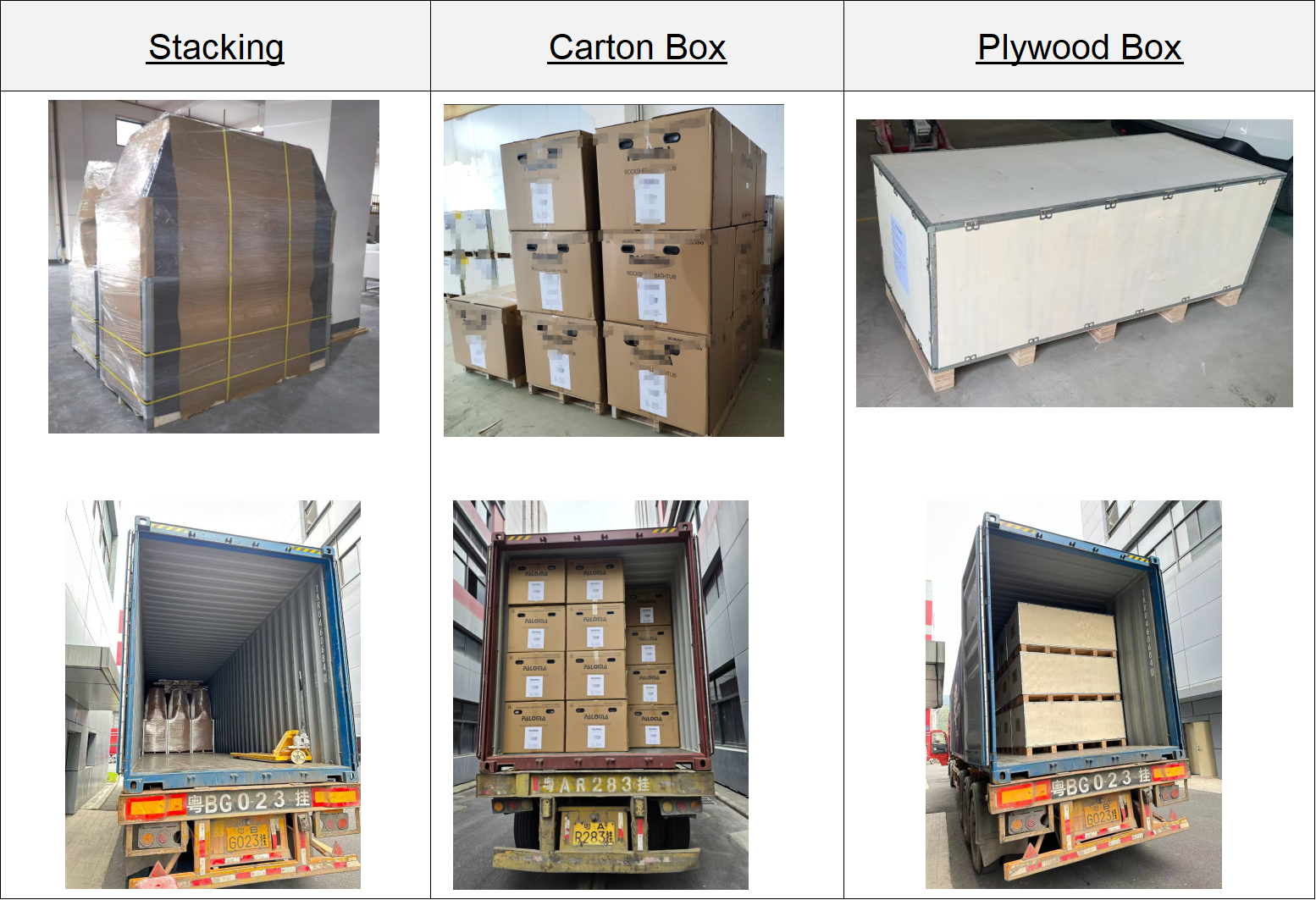
Three common strategies
Individual carton
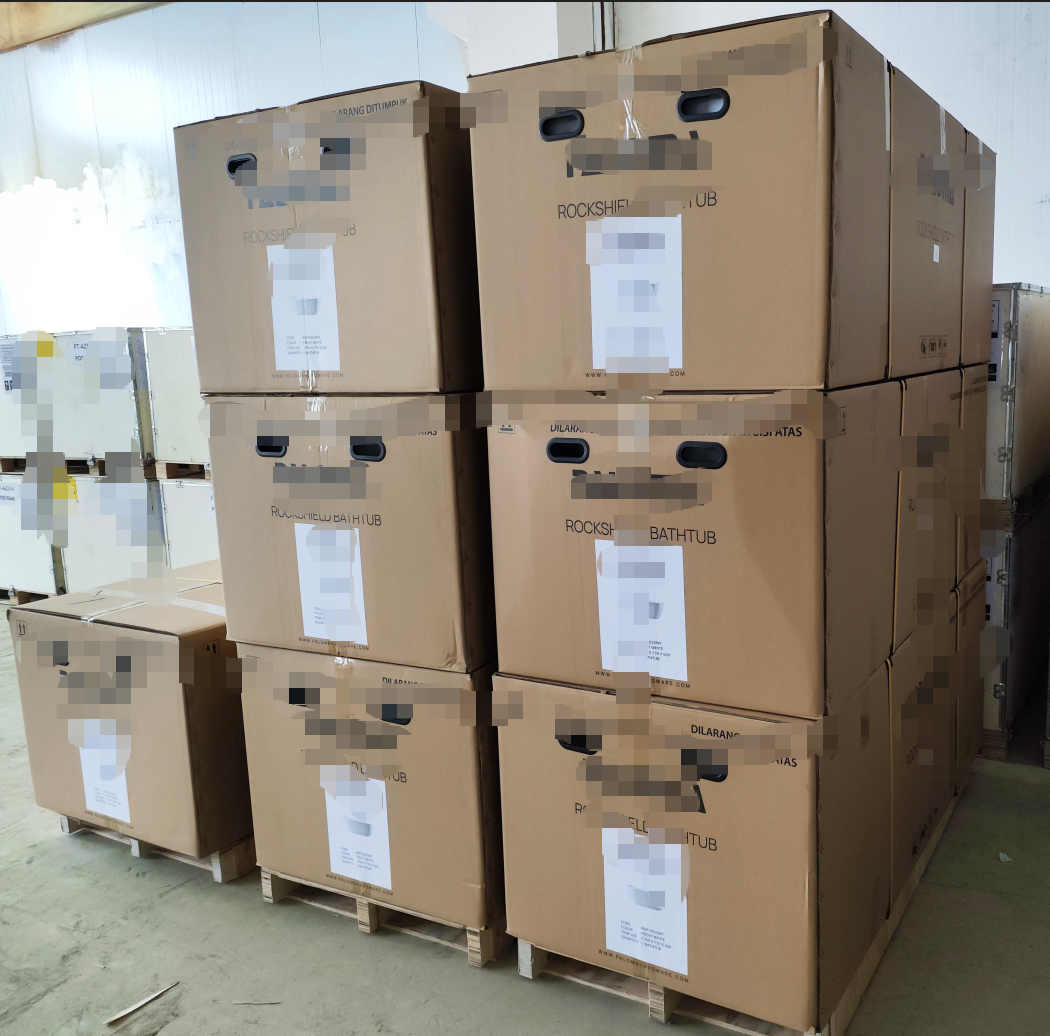
Supports retail identification and one-piece handling. It uses more volume than specialised stacking and depends heavily on internal protection and carton performance.
Individual plywood pack
Adds rigid protection and may suit demanding handling routes. It increases pack volume, weight, disposal effort and cost.
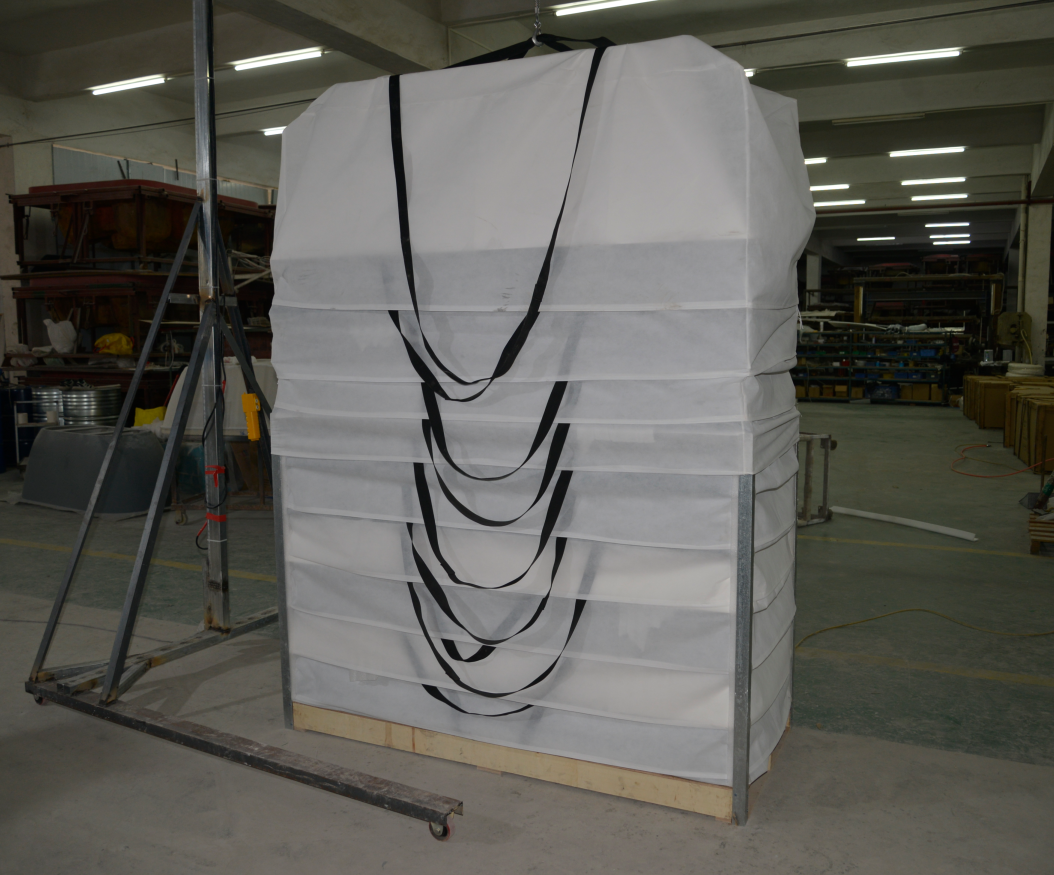
Multi-unit stacking system
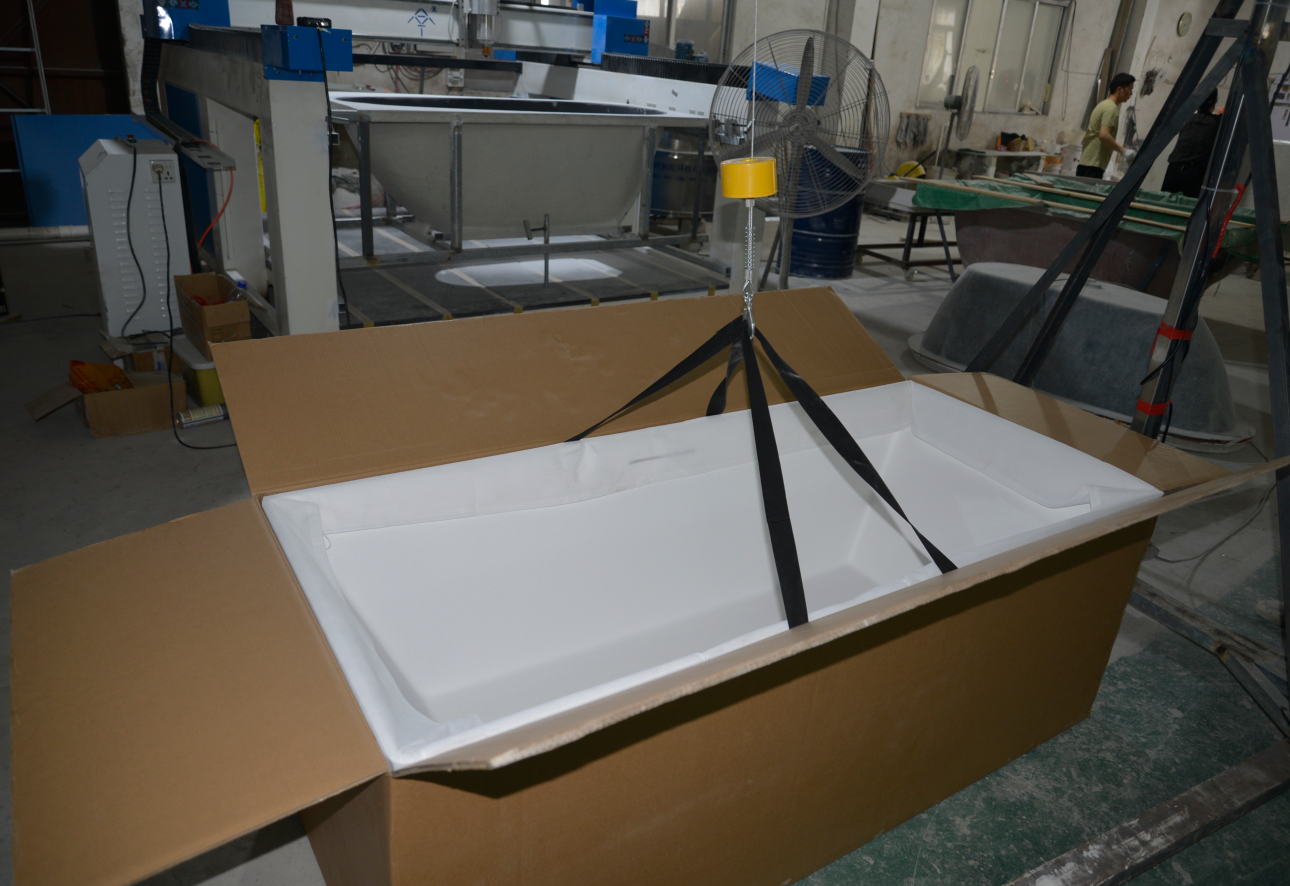
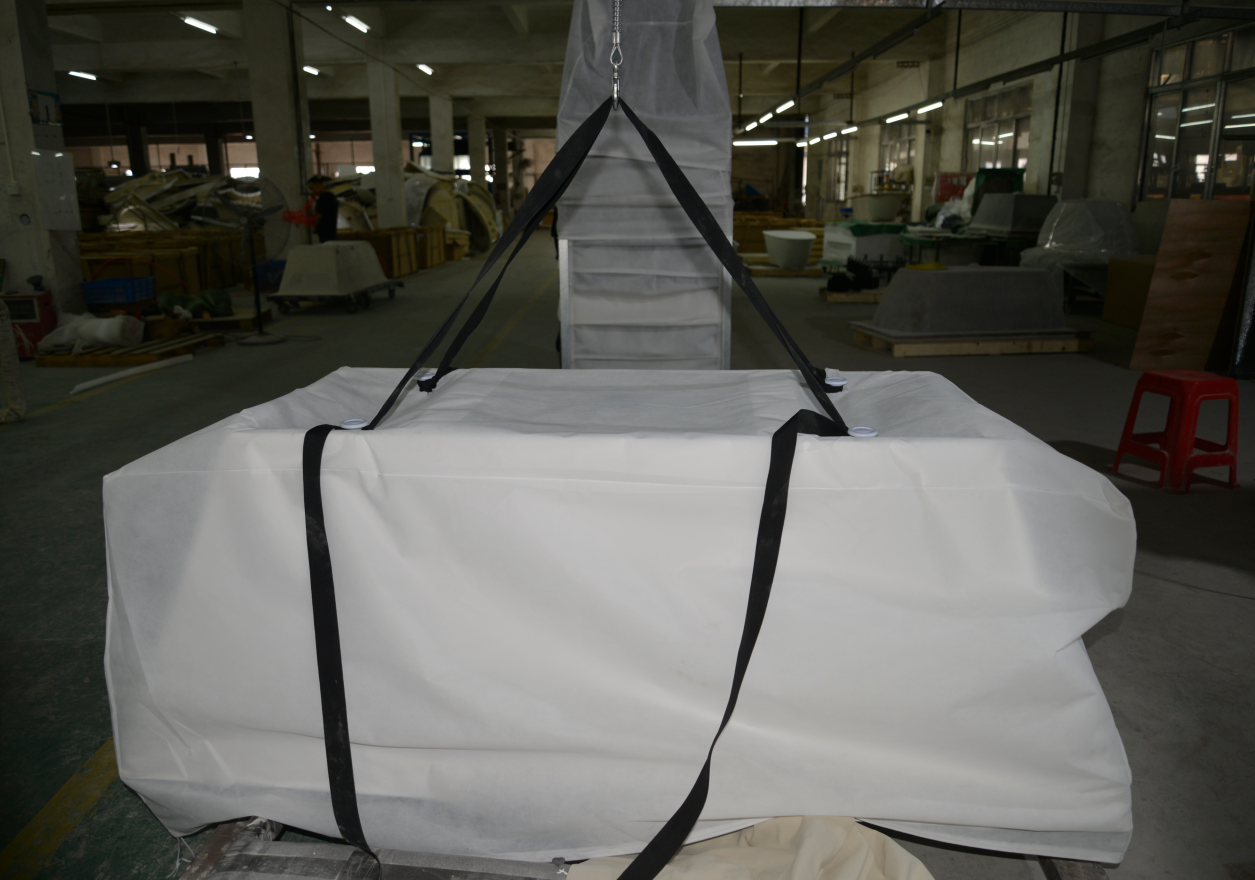
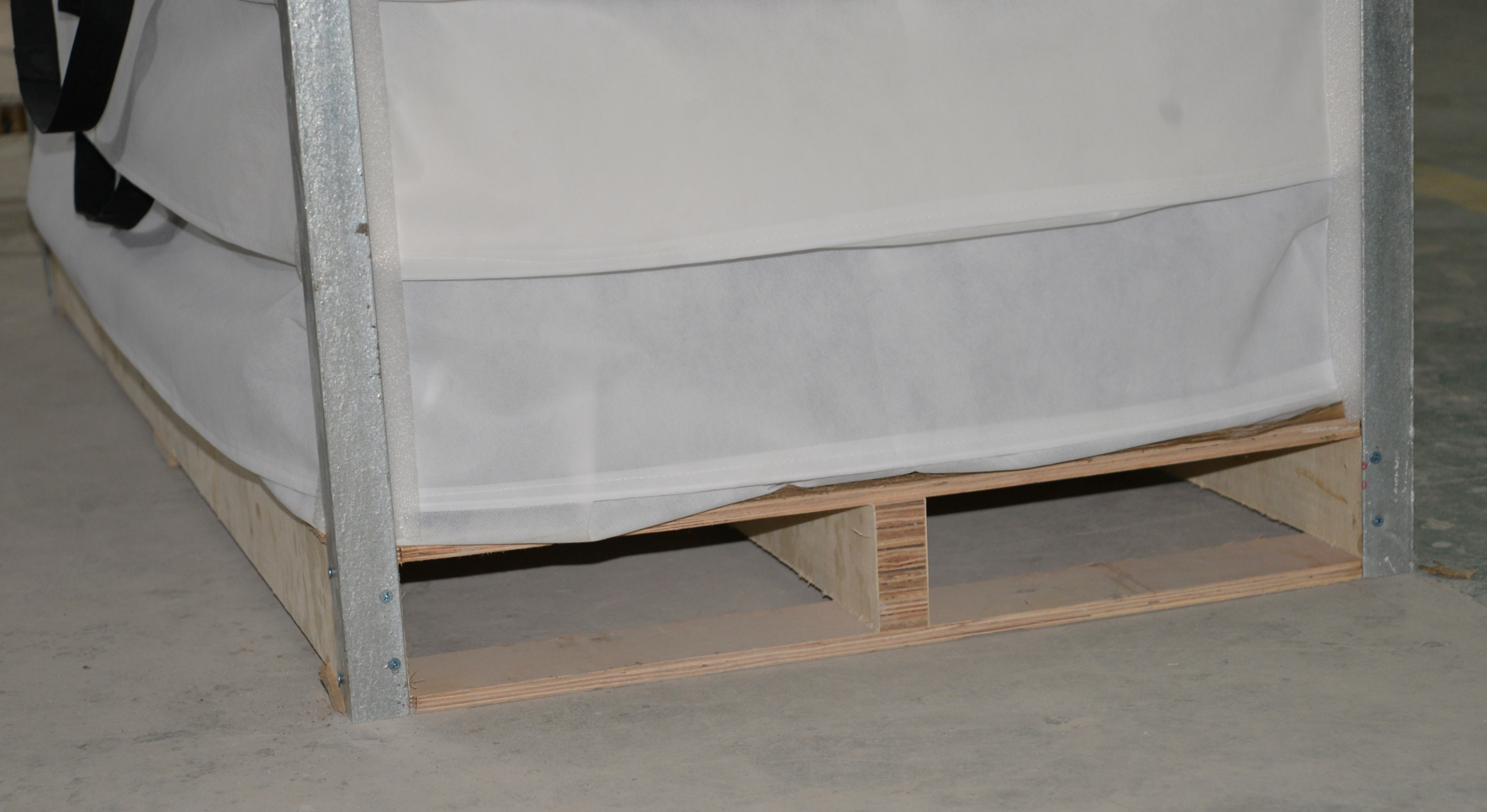
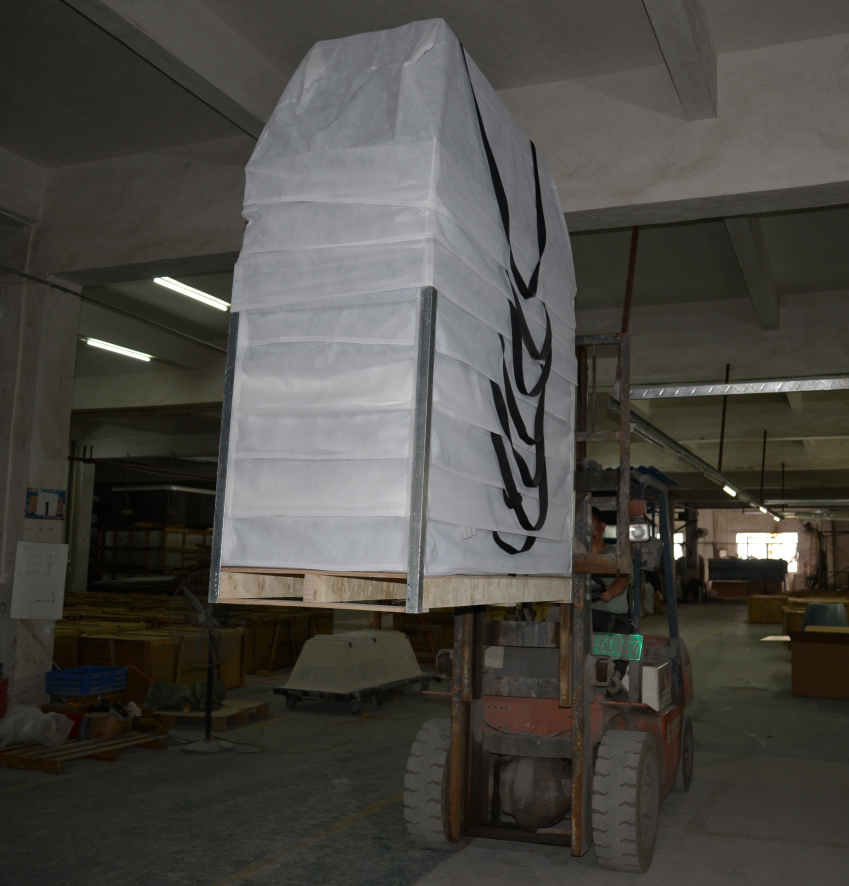
Can improve container utilisation substantially for compatible models. It requires controlled separators, load paths, unloading equipment, resale cartons and strict stacking instructions.
Wakebath D002 reference
The controlled 2026-08-08 loading workbook gives the following reference for model D002:
| Method | Unit/stack reference | 20GP reference | 40HQ reference |
|---|---|---|---|
| Carton | 1730 × 775 × 630 mm, one bath | 27 pcs | 80 pcs |
| Plywood | 1740 × 790 × 750 mm, one bath | 27 pcs | 60 pcs |
| Stacking | 10 baths per 1710 × 760 × 2195 mm stack | 90 pcs | 180 pcs |
These figures are model- and configuration-specific. Mixed orders, container limits, dunnage, resale-carton loading and destination handling require an order-level plan.
Compare landed risk, not only quantity
Build the calculation from:
- Packaging material and labour
- Container quantity and freight allocation
- Gross weight and payload constraints
- Loading/unloading labour and equipment
- Warehouse footprint
- Damage rate by defect type
- Replacement product and freight
- Removal/reinstallation or project delay exposure
- Packaging disposal and retailer requirements
The value of a higher container quantity disappears quickly if the receiving operation cannot unload the stack safely or if surface contact creates cosmetic claims.
Validation plan
For each method, define:
- Exact model mix and orientation
- Contact and load-bearing points
- Surface/edge protection
- Restraint and movement limits
- Loading and unloading SOP
- Transport test or route validation
- Pre/post inspection criteria
- Claim photo checklist
- Retest trigger after product or packaging change
ISTA's guidance supports selecting tests around the actual distribution hazards and retesting when the product, materials, closure or distribution system changes.
Continue the decision
- Choose a bathtub material for the product range
- Build enclosure packaging around the distribution route
Request a Packaging & Load Review
Send the model mix, quantities, destination route, warehouse equipment, retail-pack requirement and damage history. Wakebath will compare container efficiency with handling and claim exposure.
Request a Packaging & Load Review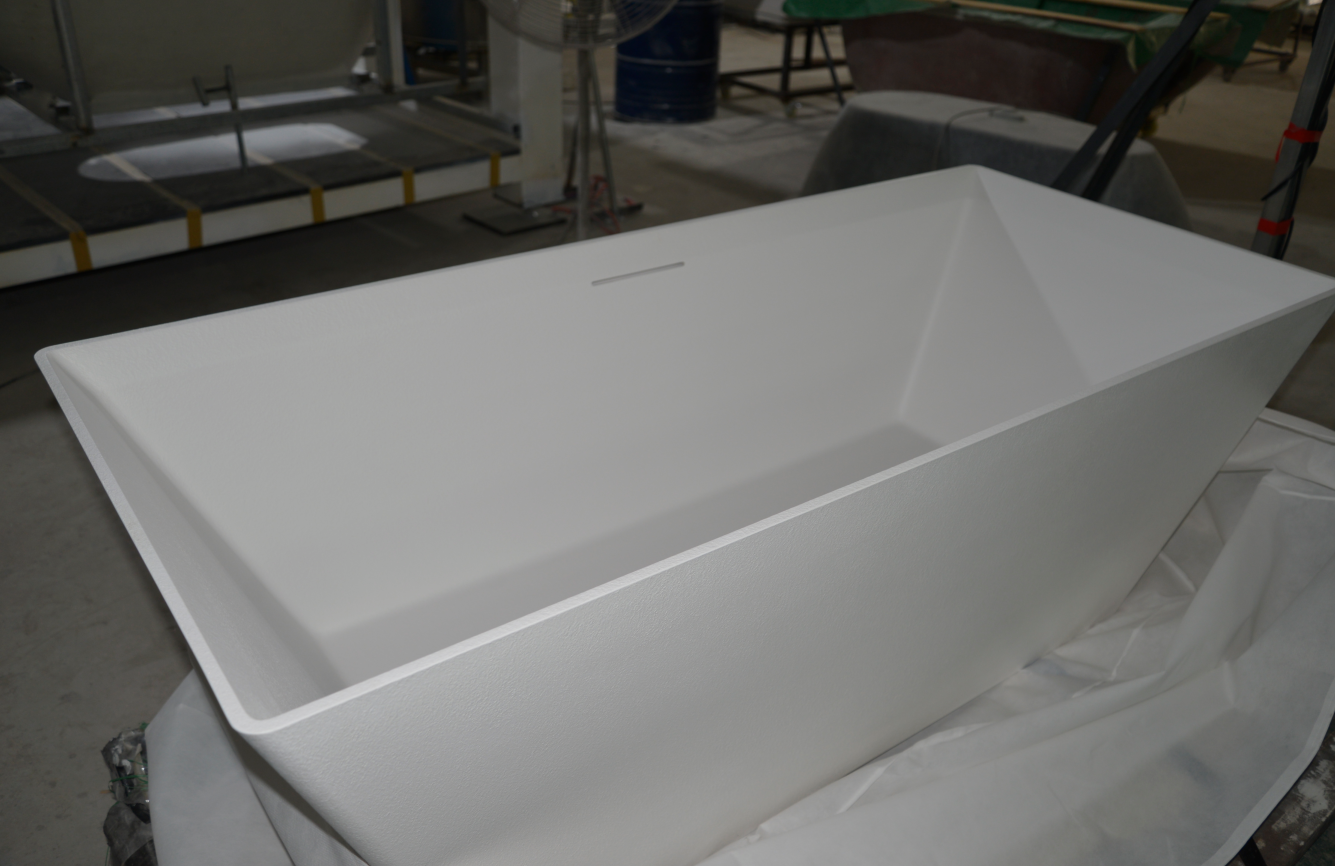
The cheapest packaging is not necessarily the lowest-cost delivery. The densest loading method is not automatically the safest route.
Bathtub packaging decisions affect container quantity, pack materials, unloading labour, warehouse space, product damage, resale presentation and claim evidence. Compare the complete distribution model.
Three common strategies
Individual carton
Supports retail identification and one-piece handling. It uses more volume than specialised stacking and depends heavily on internal protection and carton performance.
Individual plywood pack
Adds rigid protection and may suit demanding handling routes. It increases pack volume, weight, disposal effort and cost.
Multi-unit stacking system
Can improve container utilisation substantially for compatible models. It requires controlled separators, load paths, unloading equipment, resale cartons and strict stacking instructions.
Wakebath D002 reference
The controlled 2026-08-08 loading workbook gives the following reference for model D002:
| Method | Unit/stack reference | 20GP reference | 40HQ reference |
| Carton | 1730 × 775 × 630 mm, one bath | 27 pcs | 80 pcs |
| Plywood | 1740 × 790 × 750 mm, one bath | 27 pcs | 60 pcs |
| Stacking | 10 baths per 1710 × 760 × 2195 mm stack | 90 pcs | 180 pcs |
These figures are model- and configuration-specific. Mixed orders, container limits, dunnage, resale-carton loading and destination handling require an order-level plan.
Compare landed risk, not only quantity
Build the calculation from:
- Packaging material and labour
- Container quantity and freight allocation
- Gross weight and payload constraints
- Loading/unloading labour and equipment
- Warehouse footprint
- Damage rate by defect type
- Replacement product and freight
- Removal/reinstallation or project delay exposure
- Packaging disposal and retailer requirements
The value of a higher container quantity disappears quickly if the receiving operation cannot unload the stack safely or if surface contact creates cosmetic claims.
Validation plan
For each method, define:
- Exact model mix and orientation
- Contact and load-bearing points
- Surface/edge protection
- Restraint and movement limits
- Loading and unloading SOP
- Transport test or route validation
- Pre/post inspection criteria
- Claim photo checklist
- Retest trigger after product or packaging change
ISTA's guidance supports selecting tests around the actual distribution hazards and retesting when the product, materials, closure or distribution system changes.
Continue the decision
- [Choose a bathtub material for the product range](/blognew/choose-bathtub-material-retail-project)
- [Build enclosure packaging around the distribution route](/blognew/shower-enclosure-packaging-distribution-route)
Request a Packaging & Load Review
Send the model mix, quantities, destination route, warehouse equipment, retail-pack requirement and damage history. Wakebath will compare container efficiency with handling and claim exposure.
Email contact@wakebath.com or WhatsApp +86 139 2547 4190 to request a technical review.