
The 6-Step Framework We Use to Validate Shower Enclosure Solutions
In the B2B shower enclosure industry, a design that looks good on a rendering but fails on the job site is not an asset—it’s a liability.
When we receive a project inquiry—whether for a luxury hotel, a residential development, or a custom distribution request—we don't start with the price or the "look." We start with logic.
A reliable solution isn't about what's trendy. It is about what will last, function seamlessly, and fit precisely into the imperfect reality of construction sites.
Below is the internal engineering logic we use to audit every drawing and specification before we move to production.
1. Structural Logic: The Foundation of Safety
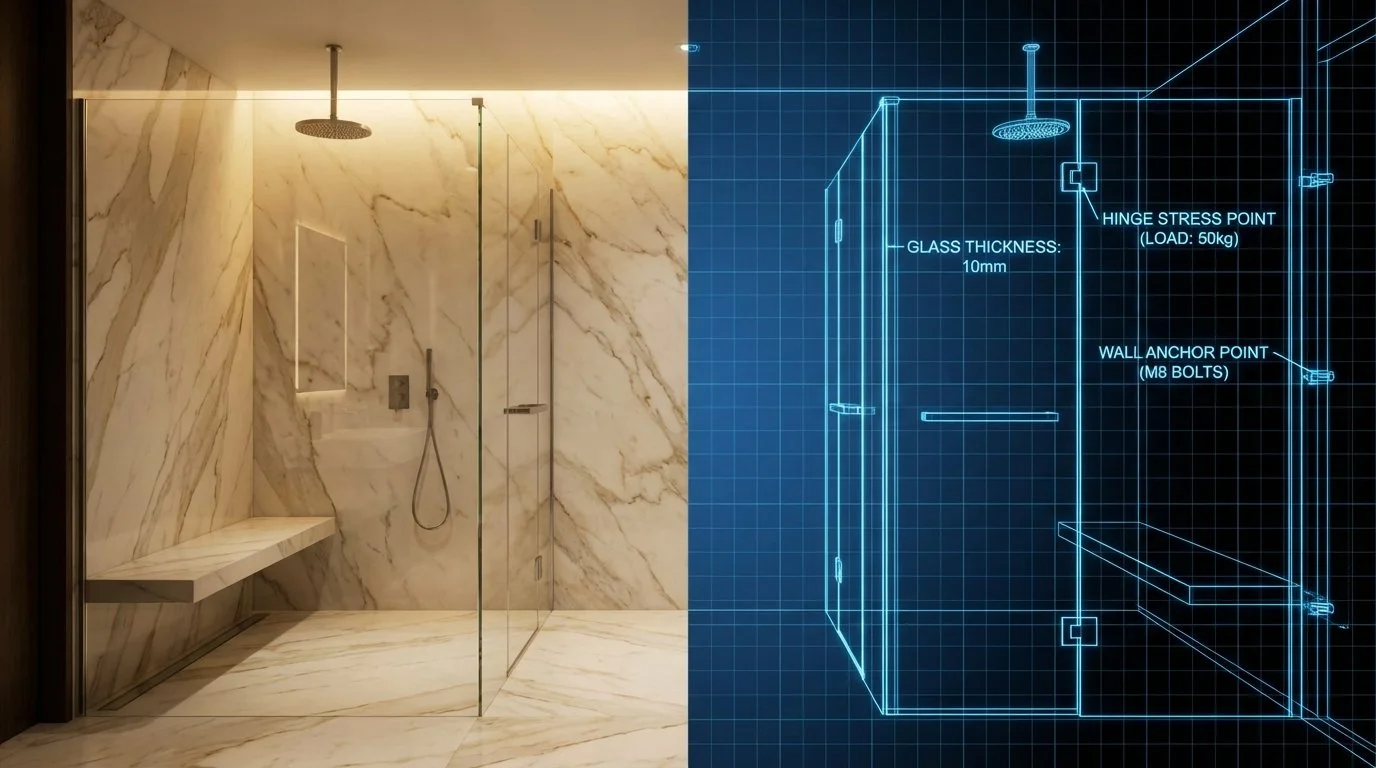
Before we talk about style, we ask: Does the physics make sense?
Many "minimalist" designs compromise stability for aesthetics. We evaluate the mechanical distribution of weight:
- Hinge Stress Analysis: Is the glass too heavy for the proposed hinge count?
- Support Points: Does the design rely excessively on sealant for stability? (A red flag for long-term durability).
- Vibration & Impact: How will the structure behave when the door is slammed?
Insight: If the structural logic doesn't respect basic mechanical forces, no amount of premium hardware or thick glass can save it from future failure.
2. Installation Feasibility: The "Real World" Test
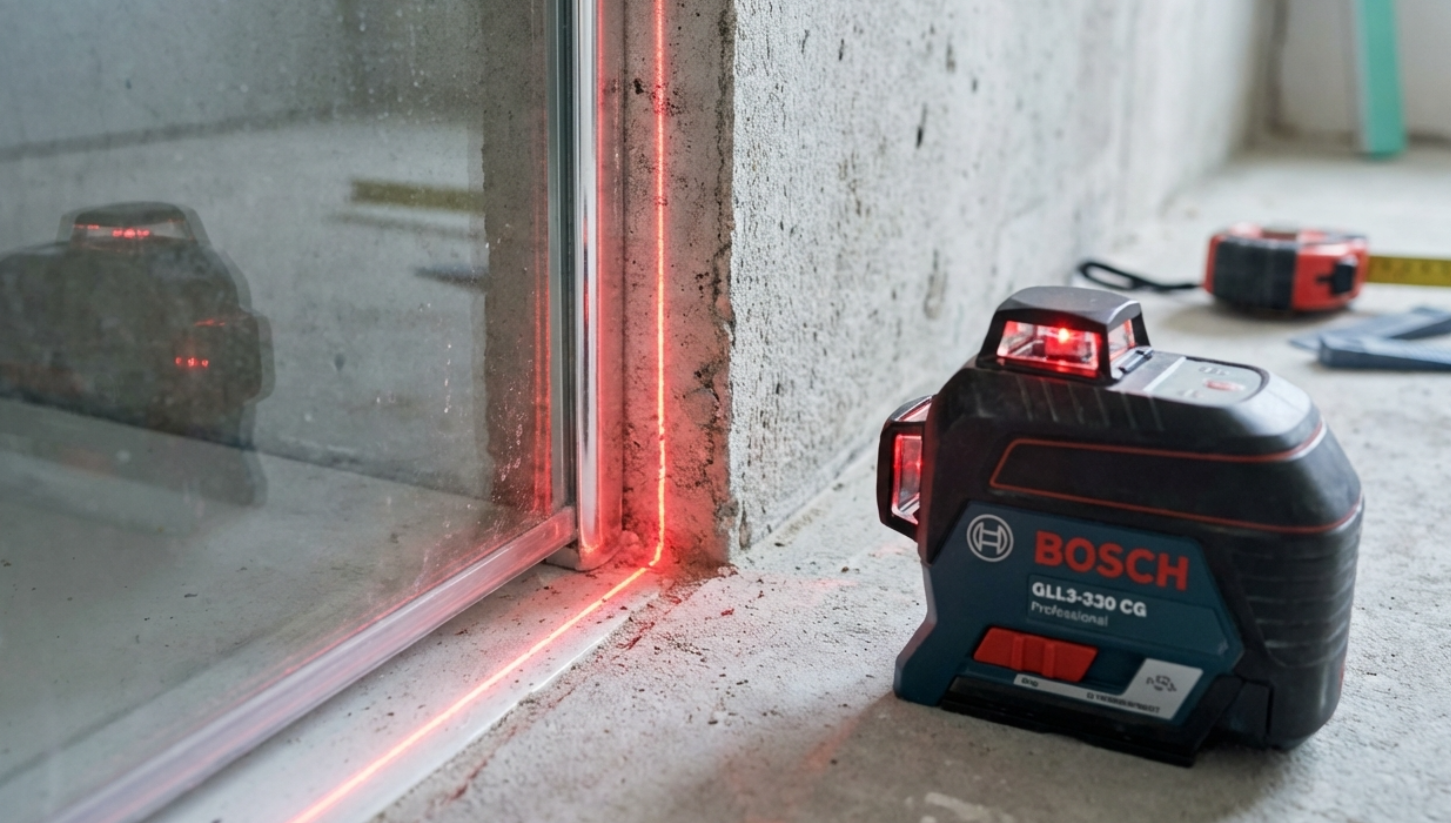
This is often the most overlooked factor in B2B procurement. A design that works in CAD often fails because walls are rarely 100% plumb (vertical) and floors are rarely perfectly level.
We assess the "Tolerance Capability" of the solution:
- Adjustment Range: Does the wall profile allow for ±10mm or ±20mm adjustment?
- Site Error Handling: If the builder’s opening is 5mm off, can this shower door still be installed without cutting glass on-site?
Our Rule: If a design requires "perfect construction conditions" to work, we classify it as High Risk. A reliable solution must allow for controlled on-site adjustments.
3. Functional Adaptability: User Flow
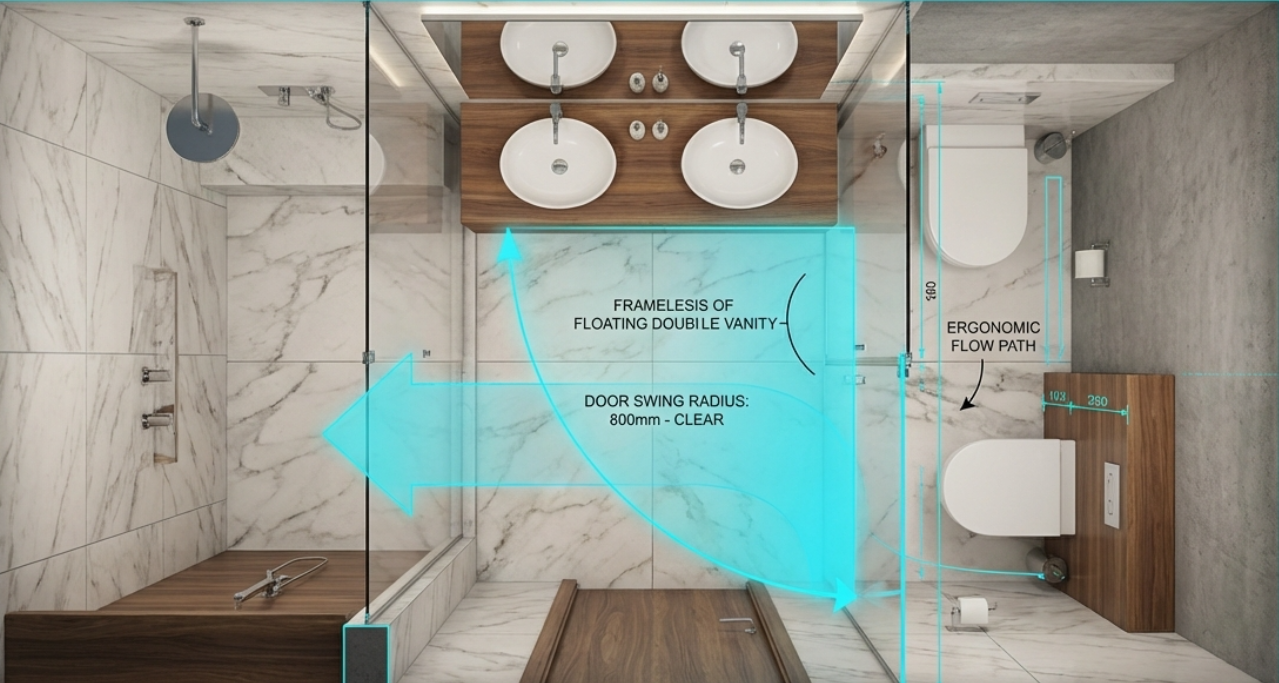
We simulate the user experience within the specific layout constraints of the project (e.g., compact hotel bathrooms).
- Interference Check: Will the door swing hit the vanity, toilet, or towel rail?
- Water Containment: Is the drainage path logical? Are the water-retaining strips positioned to handle high-pressure showers without leaking?
4. Material Integrity: The "Weakest Link" Principle
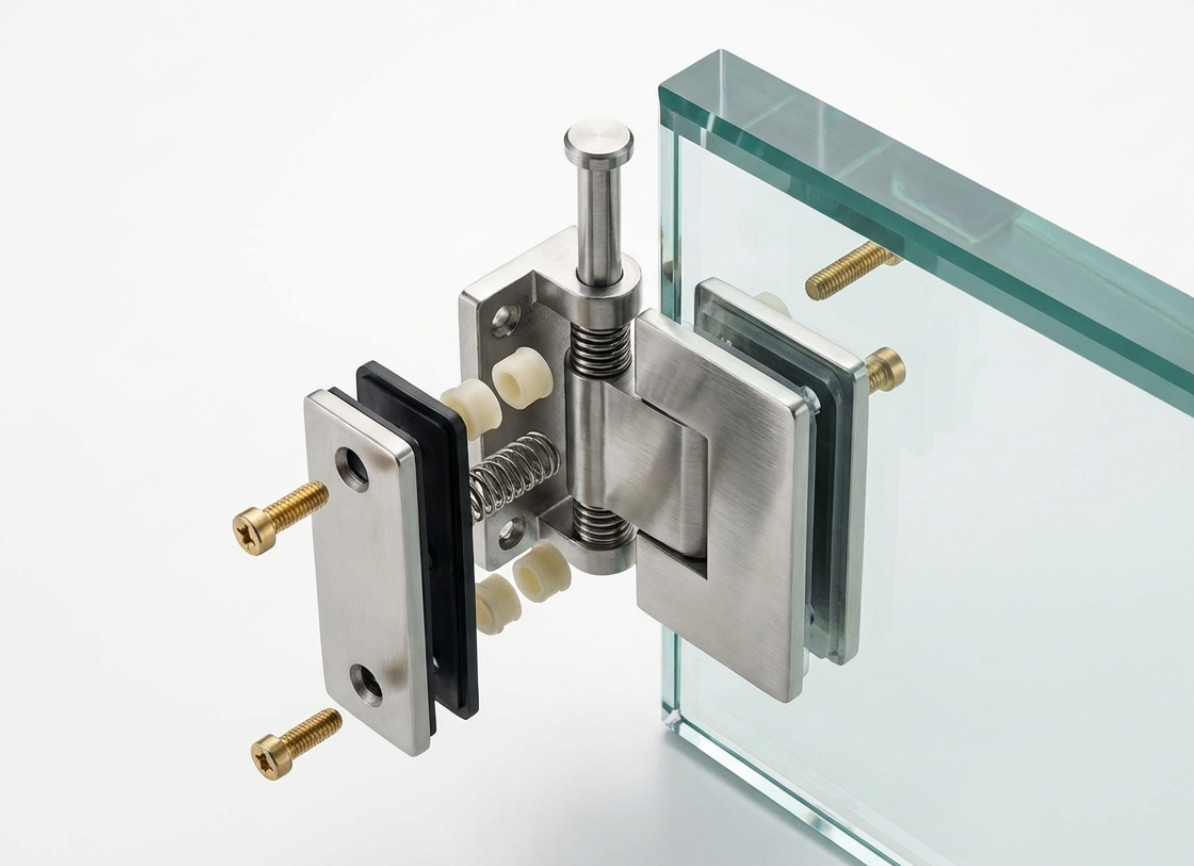
A shower enclosure is a system. Mixing 10mm premium tempered glass with budget-grade zinc alloy hinges creates a fragile system.
We audit the consistency of the Bill of Materials (BOM):
- Hardware Grade: Ensuring salt spray test ratings match the project's humidity environment.
- Sealant Compatibility: Ensuring plastic seals and magnetic strips are UV-resistant and won't yellow or crack in 12 months.
> Key Principle:> If one link in the chain is weak, the whole system fails. We ensure every component matches the project's quality standard.
5. Long-Term Maintainability (TCO)
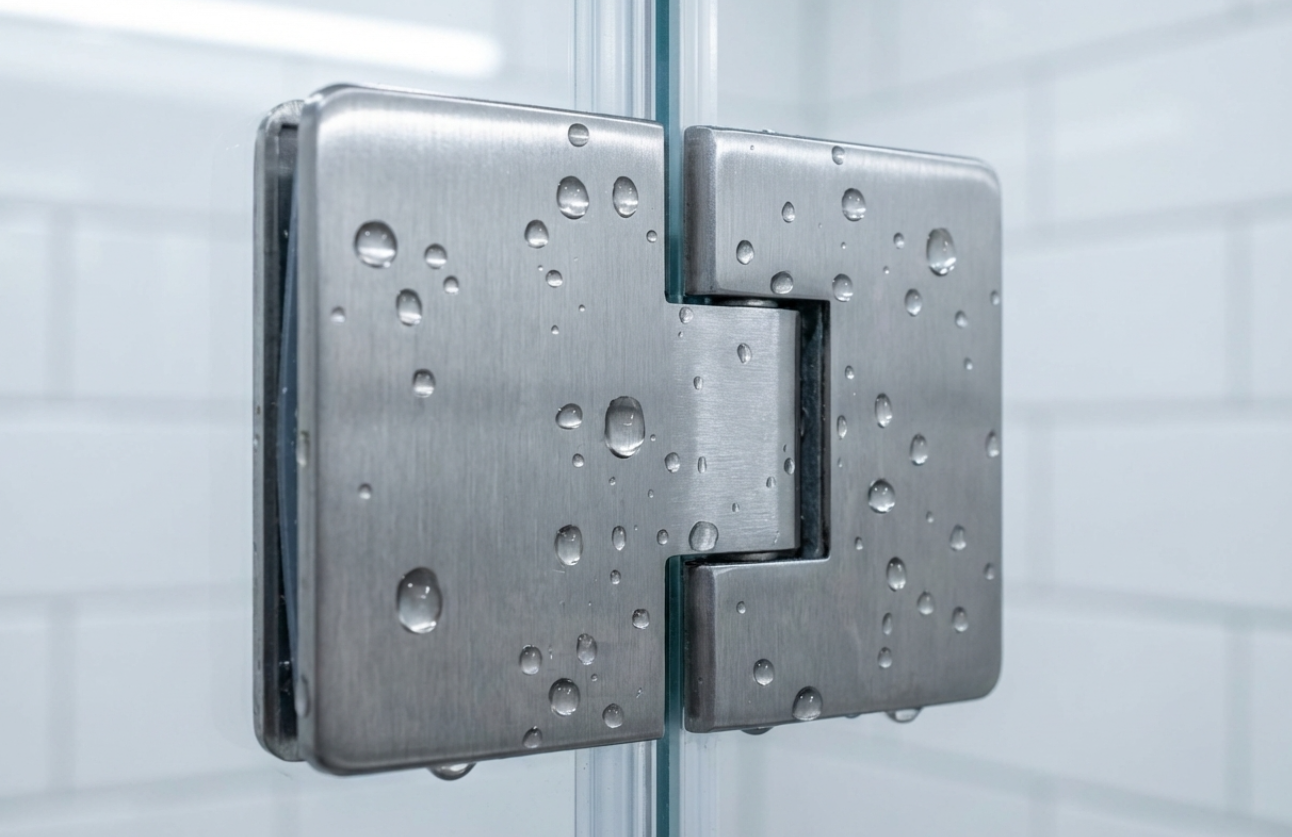
For commercial projects (Hotels/Apartments), the Total Cost of Ownership matters more than the initial unit price. We project the "Life Cycle" of the design:
- Replaceability: Can a worn-out bottom seal be replaced in 3 years without dismantling the entire door?
- Cleaning Efficiency: Are there hard-to-reach crevices that will accumulate mold?
- Hardware Fatigue: Will the rollers or hinges loosen after 50,000 cycles?
Sustainability, in our view, means maintainability.
6. Visual and Spatial Harmony
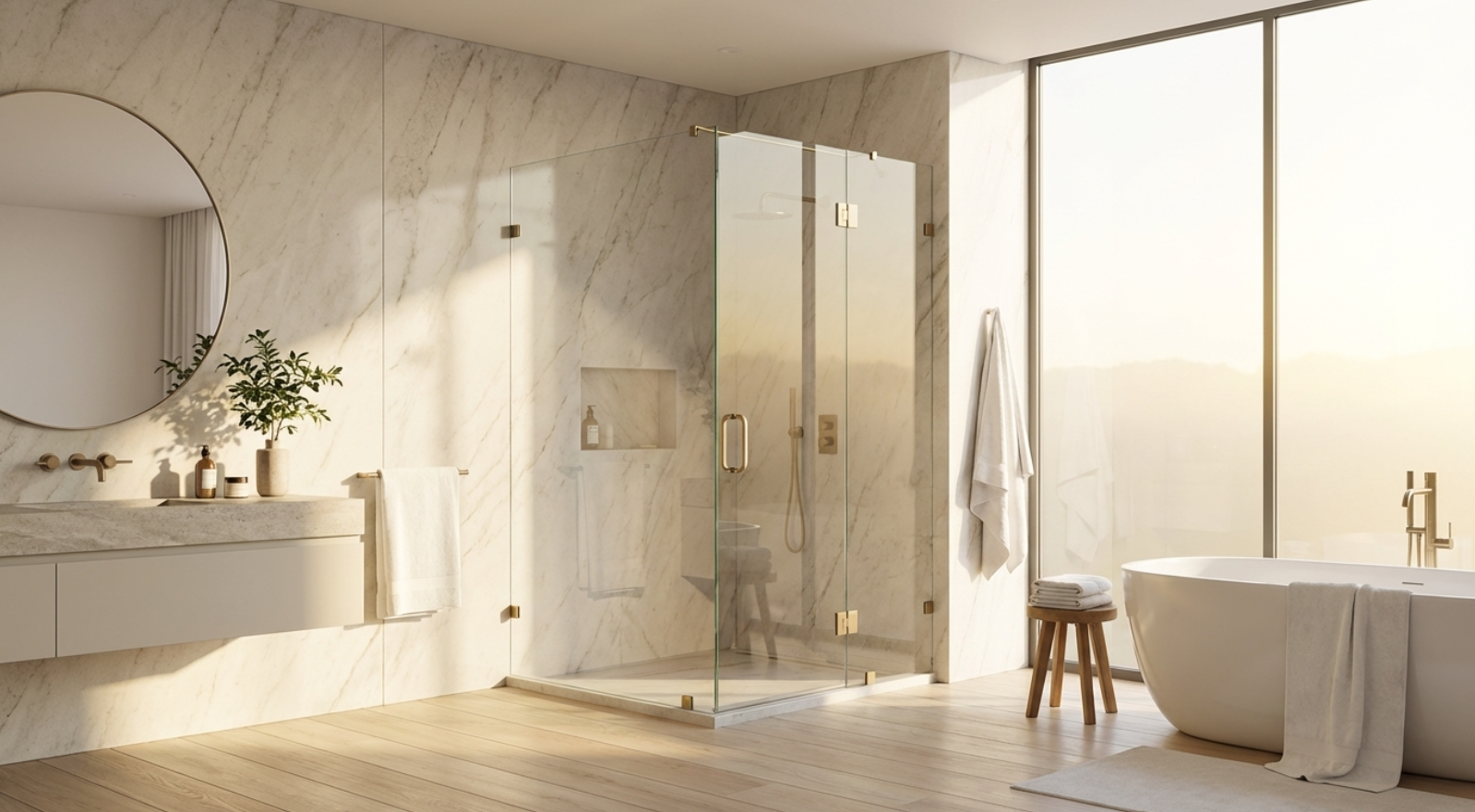
Only after the technical logic passes our audit do we refine the aesthetics. We judge whether the enclosure integrates with the architectural intent, maximizes light flow, and reflects the modern positioning of the project.
Good design feels effortless—but behind that simplicity is well-founded engineering logic.
The Verdict: How We Categorize Your Project
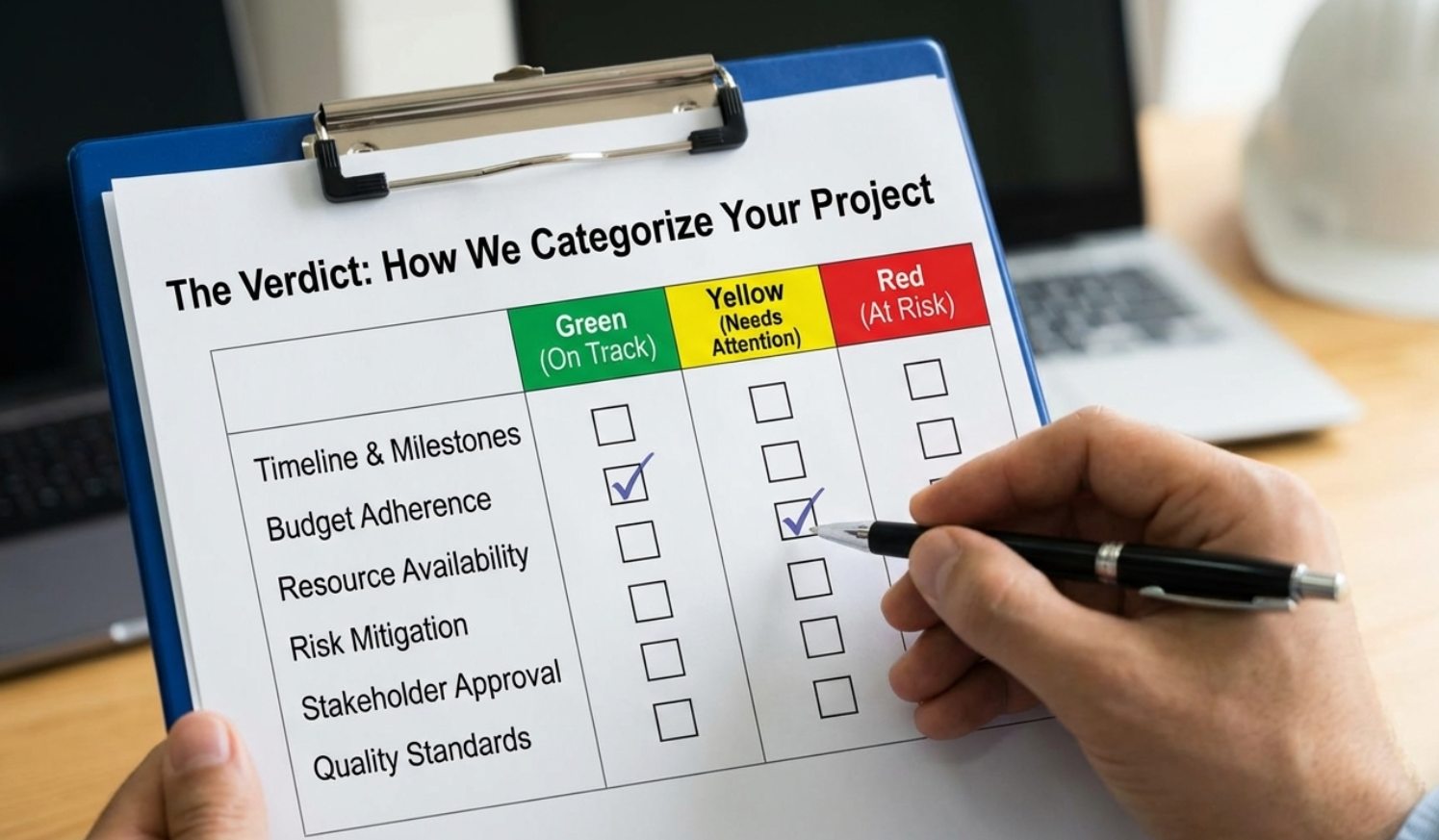
By running every inquiry through these six filters, we arrive at one of three conclusions for our clients:
✅ 1. Reliable (Green Light)
The logic holds. The structure is stable, installation tolerances are sufficient, and the material configuration is consistent. We are ready to quote and produce.
⚠️ 2. Conditional (Yellow Light)
The concept is good, but specific details carry risk.
- Example: "The glass is too wide for two hinges; we recommend adding a third."
- Example: "We suggest changing the U-channel to an adjustable profile for easier installation." We will propose an optimized solution before quoting.
❌ 3. Unreliable (Red Light)
The logic breaks. The design poses safety risks or will likely result in high return rates/complaints. We will explain exactly why it fails and offer a completely alternative solution.
Looking for a Factory That Thinks Before It Produces?

If you have a project drawing or a concept, don't just ask for a price. Ask for a Structural Logic Evaluation.
[Contact Our Engineering Team] for a preliminary assessment of your shower enclosure project.
Key Topics: Shower Enclosure Manufacturing, Structural Integrity, Hotel Bathroom Solutions, Installation Tolerance, B2B Procurement Strategy, Tempered Glass Safety, Architectural Hardware.