Africa Kitchen & Bath Market Insight (April 2026)
Growth Under Constraints: Efficiency, Compliance, and Real-World Performance

Introduction
The African kitchen and bath market is evolving —
not only through growth, but through practical adaptation to local conditions.
Unlike more mature markets driven by design trends or digital transformation, Africa presents a different dynamic:
products must perform reliably under constraints related to infrastructure, regulation, and resource availability.
1. Efficiency as a Core Requirement
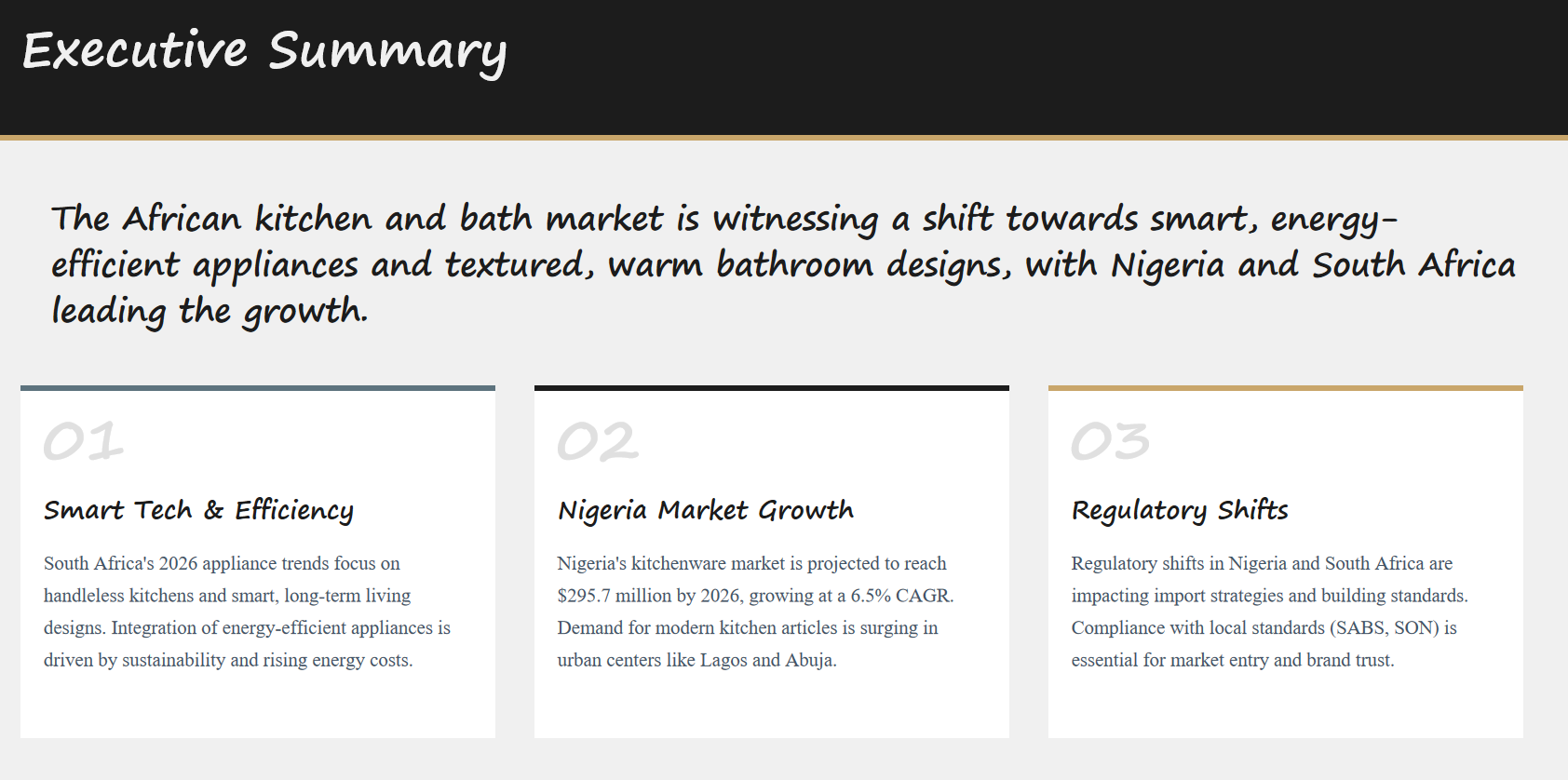
In many African markets, energy and water efficiency are not optional features —
They are essential.
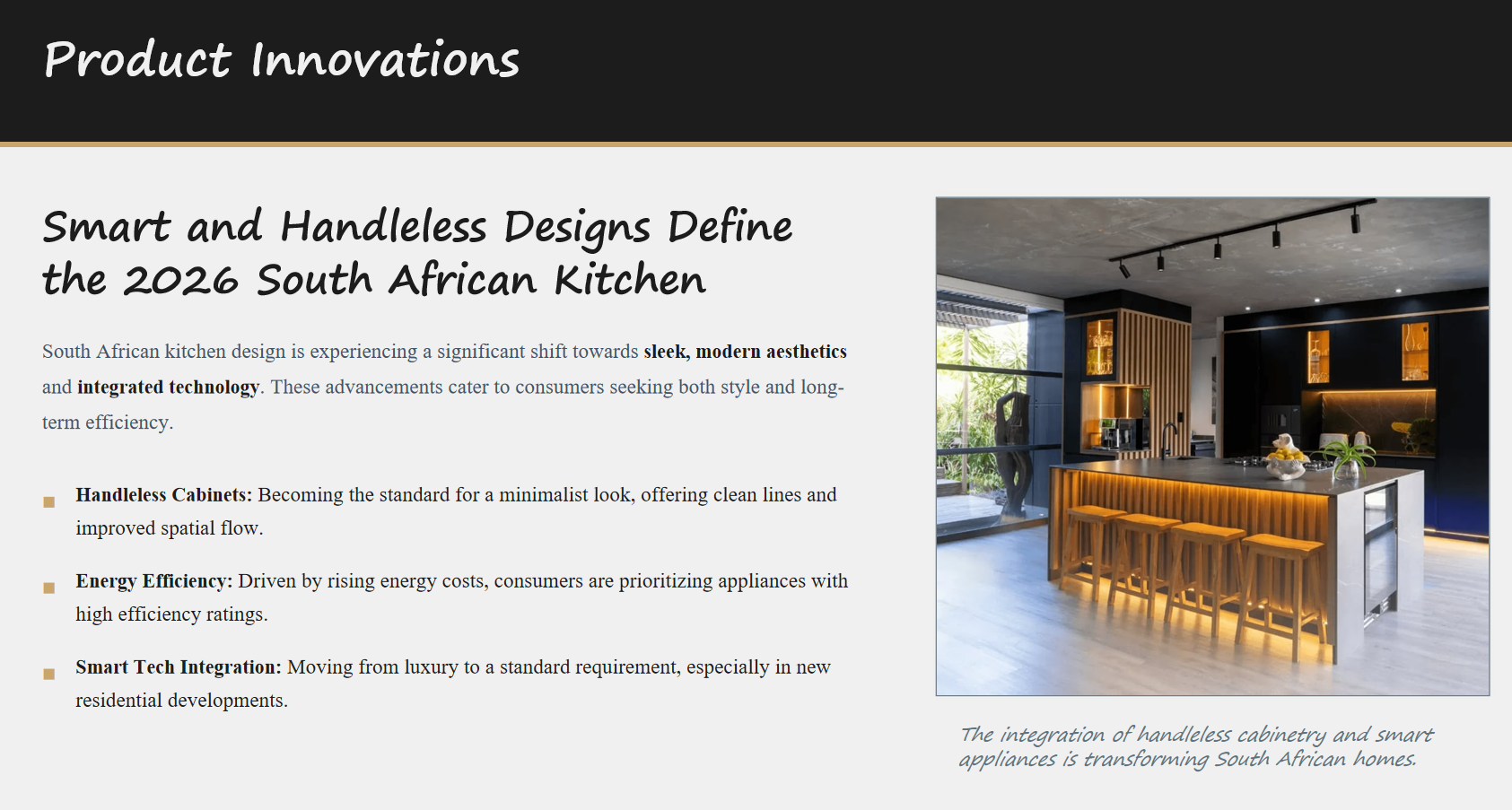
Rising utility costs and resource limitations are driving demand for:
water-saving fixtures
energy-efficient appliances
low-maintenance solutions
This positions efficiency as a primary decision factor, rather than a secondary benefit.
2. Urban Growth Driving Demand
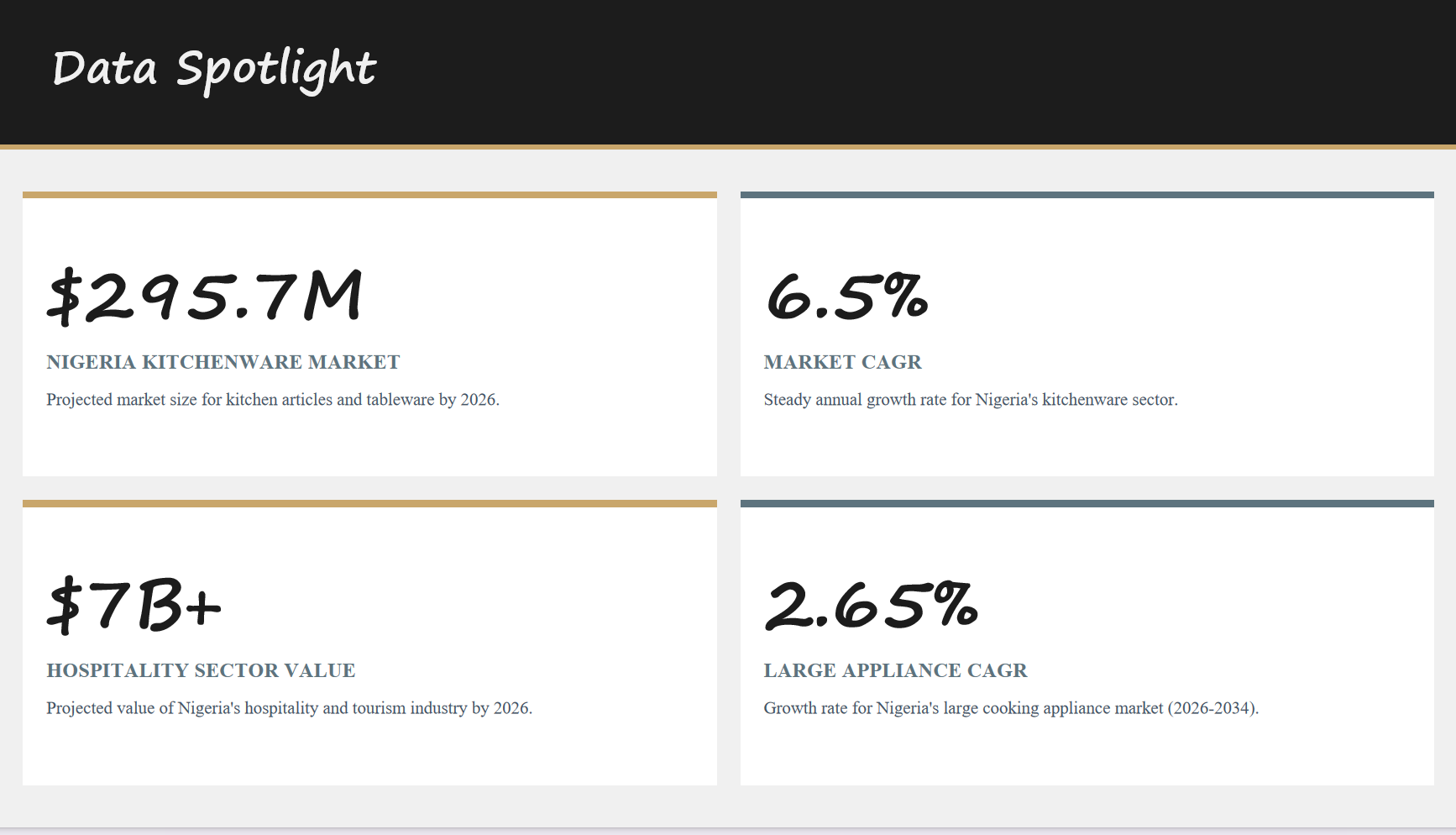
Market expansion is concentrated in rapidly developing urban centers, particularly in Nigeria and South Africa.
Key drivers include:
urbanization
a growing middle class
increasing demand for modern living standards
Consumers are gradually shifting from basic utility products toward solutions that combine function with design.

3. Compliance as Market Access
Regulatory frameworks play a critical role in shaping market entry.
Standards such as:
SABS (South Africa)
SON (Nigeria)
are essential for ensuring product acceptance and building trust.
In this context, compliance is not only a legal requirement —
it is a competitive necessity.
4. Hospitality Sector as a Growth Driver
The expansion of the hospitality industry is creating strong demand for commercial-grade kitchen and bath solutions.
This includes:
hotels
serviced apartments
restaurants
These projects require products that offer:
durability under high-frequency use
ease of maintenance
consistent performance over time
5. Design Evolution: From Utility to Experience
Alongside functional requirements, design preferences are also evolving.
There is a noticeable shift toward:
warmer tones and textured finishes
more expressive and personalized bathroom environments
integrated, modern layouts
This reflects a broader transition from purely functional spaces to more experience-oriented environments.
Conclusion
The African kitchen and bath market is defined by a unique balance:
growth potential
infrastructure limitations
evolving consumer expectations
Success in this market depends not only on product quality, but on the ability to:
adapt to local conditions
meet regulatory requirements
deliver consistent performance in real-world use
In Africa, competitive advantage is not built on innovation alone —
but on reliability, resilience, and execution.
For companies exploring opportunities in Africa, understanding local constraints is as important as understanding market demand.
#AfricaMarket
#B2BManufacturing
#ConstructionIndustry
#ProductStrategy
#SupplyChain
#HospitalityIndustry
#BuildingMaterials