
Product Knowledge Hub
Decisions, not product noise.
Practical guidance for buyers, specifiers and installers across shower enclosures, shower trays and bathtubs — built around fit, proof and operational risk.

Three product paths
Start where the decision starts.
Product categories stay separate from decision themes. This keeps an enclosure, tray or bathtub article discoverable without burying readers in one mixed archive.
Featured entry points
Start fast. Search deeper.
These nine editorial picks remain useful for first-time readers. They are no longer presented as the complete library.
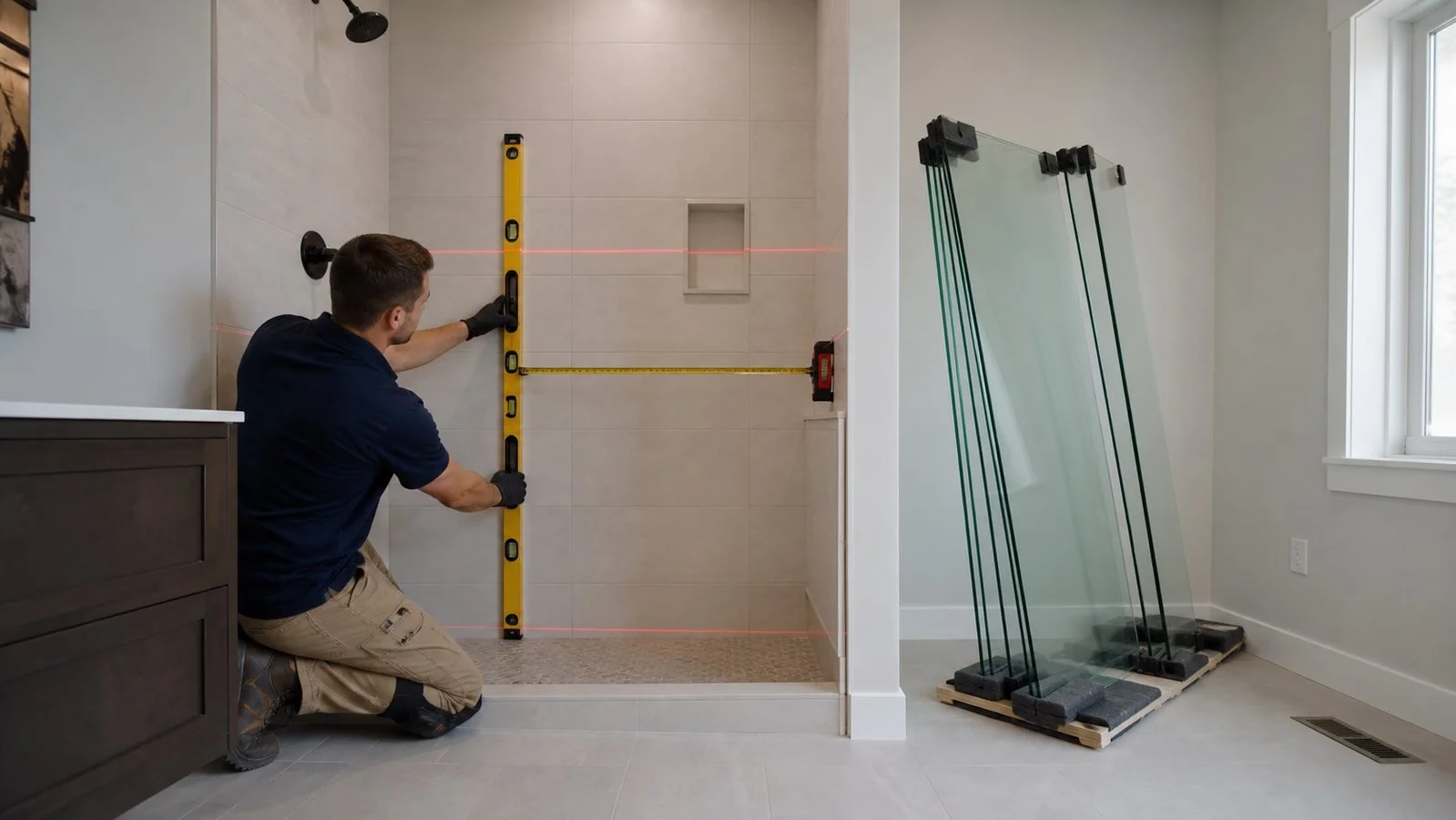
How to Specify a Shower Enclosure Beyond Glass Thickness
Compare shower enclosures as complete systems: geometry, adjustment, glass, profiles, hardware, water control, installation and service parts.
Shower Enclosure Water Containment Has Boundaries
Shower leakage claims depend on tray level, seals, profiles, silicone locations, showerhead position, threshold design and installation quality.
Build Shower Enclosure Packaging Around the Distribution Route
Define the shipping route, product vulnerabilities, pack design, test sequence and claim evidence before approving shower enclosure packaging.
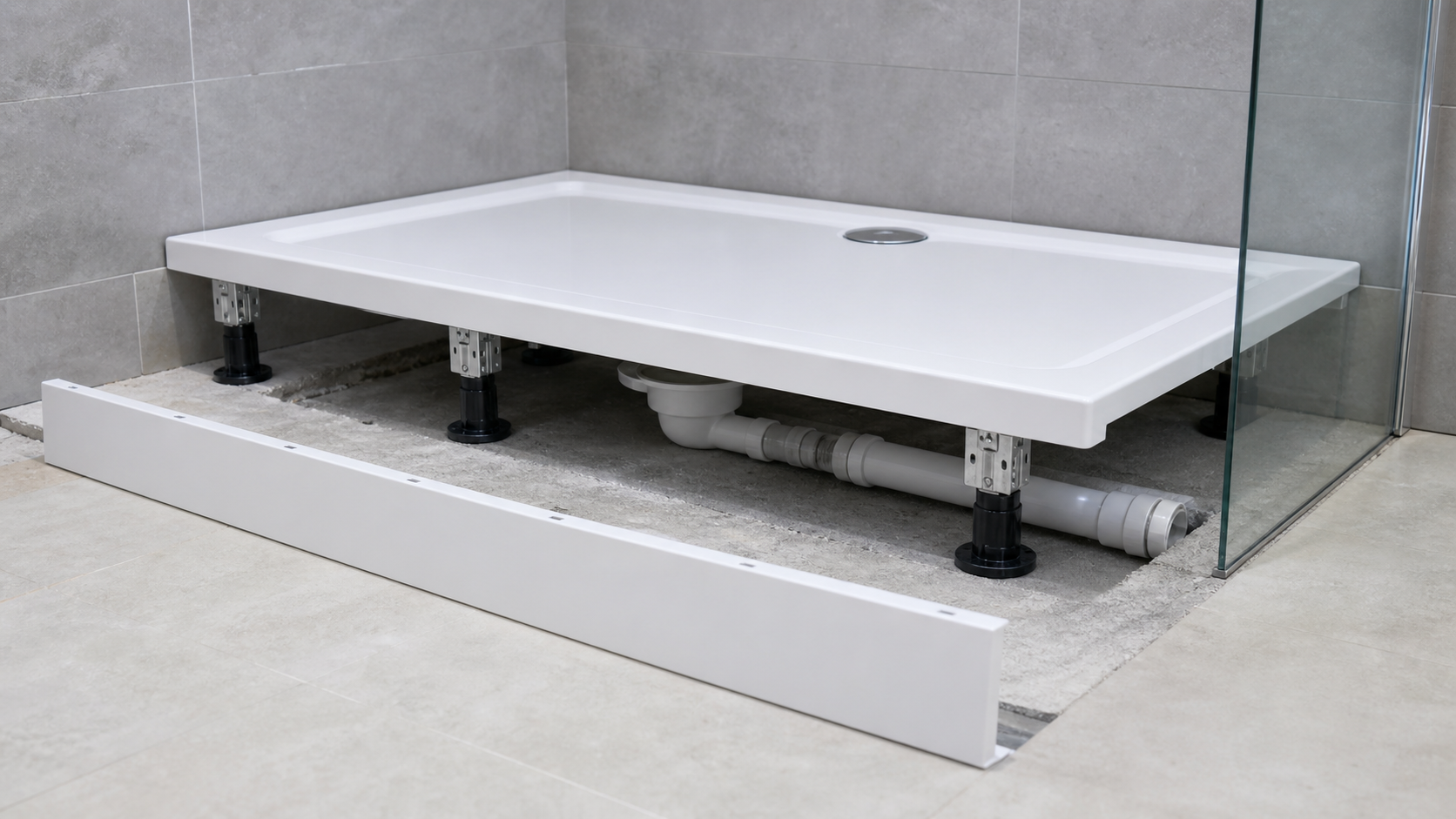
How to Choose a Shower Tray That Fits the Enclosure
Size, shape, radius, handedness, glass landing area and finished-wall dimensions in one decision path.
Textured Does Not Automatically Mean Anti-Slip
Learn how to assess textured shower tray slip claims by checking the method, wet condition, specimen, result, acceptance rule and report scope.
Can This Shower Tray Be Cut?
Before cutting a shower tray, confirm the permitted zone, method, edge treatment, drain clearance, support detail and warranty in writing first.
How to Choose a Bathtub Material for Retail and Project Ranges
Compare bathtub materials by construction, weight, finish, support, repair, packaging and evidence instead of relying on generic material rankings.
Bathtub Packaging Economics
Compare carton, plywood and stacking by container quantity, damage exposure, warehouse handling, evidence and landed risk—not pack price alone.
Textured Bathtub Surfaces: Specify Evidence, Not Adjectives
Define textured bathtub surface evidence with controlled cleaning, scratch, impact, colour and repair conditions instead of absolute marketing claims.
Full published library
Find the article you came for.
Search title, summary and tags, then narrow by product and decision. Drafts deliberately stay out of this public index until they are published.
No published guide matches this search and filter combination.
Search by a problem, product or decision. Combine product and decision filters to narrow the results.
From article to useful action
Choose the next step that matches the product.
Send finished dimensions, target market, material direction and installation context. We will identify the product interfaces that need evidence before selection or site closure.
Request technical support
Bathroom Product Substitution After Approval: Who Rechecks Fit, Finish, Evidence and Delivery?
Review shower tray, enclosure and bathtub substitutions against the approved configuration, installation interfaces, evidence and commercial scope.

Partial Bathroom Deliveries: Count Room-Ready Sets, Not Arrived Cartons
Assess split shipments by complete, compatible room sets rather than carton totals. Coordinate trays, glass, hardware, seals and installation documents.

Balance Payment Against a Copy Bill of Lading: What Bathroom Importers Should Agree Before Shipment
Define the document, payment clock, bank workflow and cargo-release route when a bathroom order balance is payable against a copy bill of lading.

Shower Enclosure Warranty and Free Spare Parts: What Project Buyers Should Agree Before Ordering
Agree component-specific enclosure warranty, project spare quantities, freight and claim handling before a project purchase order.

Bathroom Order, Shipment and Installation Release: Three Decisions Your Team Should Not Confuse
Separate order, shipment and installation decisions. Assign owners, evidence and hold conditions across procurement, technical, quality and site teams.

Shower Enclosure Glass Thickness: A Buyer’s Planning Guide
Plan shower enclosure glass thickness with panel size, hardware load, safety glass type, handling route, edge finish and approval drawings.

Shower Enclosure Safety Glass Evidence: Build a Market-Specific Compliance Pack
Build shower-glass evidence around the destination market, exact construction, thickness, plant, mark and current certificate scope.

Sliding Shower Door Durability: Define Cycles, Loads and Failure Criteria
A cycle count is meaningful only when door mass, test motion, environment, maintenance and failure criteria are fixed and reported.

Tempered Shower Glass Optical Distortion: Inspect Roller Wave Without Inventing a Universal Limit
Separate optical appearance from safety compliance and inspect tempered-glass roller wave under controlled geometry rather than uncontrolled phone photos.

Heat-Soak-Tested Shower Glass: What It Reduces—and What It Cannot Guarantee
Heat soaking can reduce residual NiS-related breakage risk, but it cannot replace safety-glazing compliance, edge quality, fabrication control or stress-free installation.
Broken Shower Glass Investigation: Preserve Fracture, Edge and Installation Evidence
Secure the area and preserve fragments, pane identity, edges, hardware, clearances and site geometry before assigning a cause or installing a replacement.
Walk-In Shower Screen Splash Control: Coordinate Screen, Outlet and Wet-Zone Geometry
Control walk-in splash by coordinating the outlet, user zone, panel, opening, fall, drainage, waterstop and waterproofed area—not by choosing one screen length.
Textured Shower Tray Wear Validation: Test Abrasion, Cleaning and Slip Retention Separately
Define realistic cleaning and wear conditioning, inspect texture and layer integrity, then repeat the applicable slip test instead of inferring retained performance from appearance.

Shower Tray Roughness Is Not a Slip Rating
Use Ra, Rz or areal topography to control production only after the method is defined; use an applicable slip test for the user-safety claim.

Textured Shower Tray Repair Approval: Recheck Colour, Texture, Drainage and Slip Claims
Release a textured-tray repair only after the exact approved system is followed and the affected appearance, drainage, cleaning, adhesion and slip claims are rechecked.

Shower Enclosure Carton and BOM Audit: Prevent Missing Hardware at Installation
Link every shower enclosure part to its carton, identifier, installation step and receiving check before shipment and site delivery.

Shower Enclosure Spare-Parts Strategy: What Must Remain Replaceable After Sale?
Define replaceable shower enclosure parts, compatibility, identification, stock, instructions and warranty boundaries before launching a range.

Project Mock-Up Approval for Shower Enclosures: Lock Glass, Hardware, Seals and Installation Interfaces
Use a shower enclosure project mock-up to approve drawings, glass, hardware, fixing, seals, water control, installation sequence and handover evidence.

From Test Report to Buyer-Approved Product Claim: A Technical-to-Sales Release Workflow
Turn bathroom-product test evidence into accurate sales claims by controlling scope, sample identity, method, market, wording, revision and approval.

Landed Cost Is Not Unit Price: Build a Procurement-to-Finance Risk Model for Bathroom Products
Compare shower tray, enclosure and bathtub offers with a landed-cost model covering scope, freight, customs, handling, damage, service and assumptions.